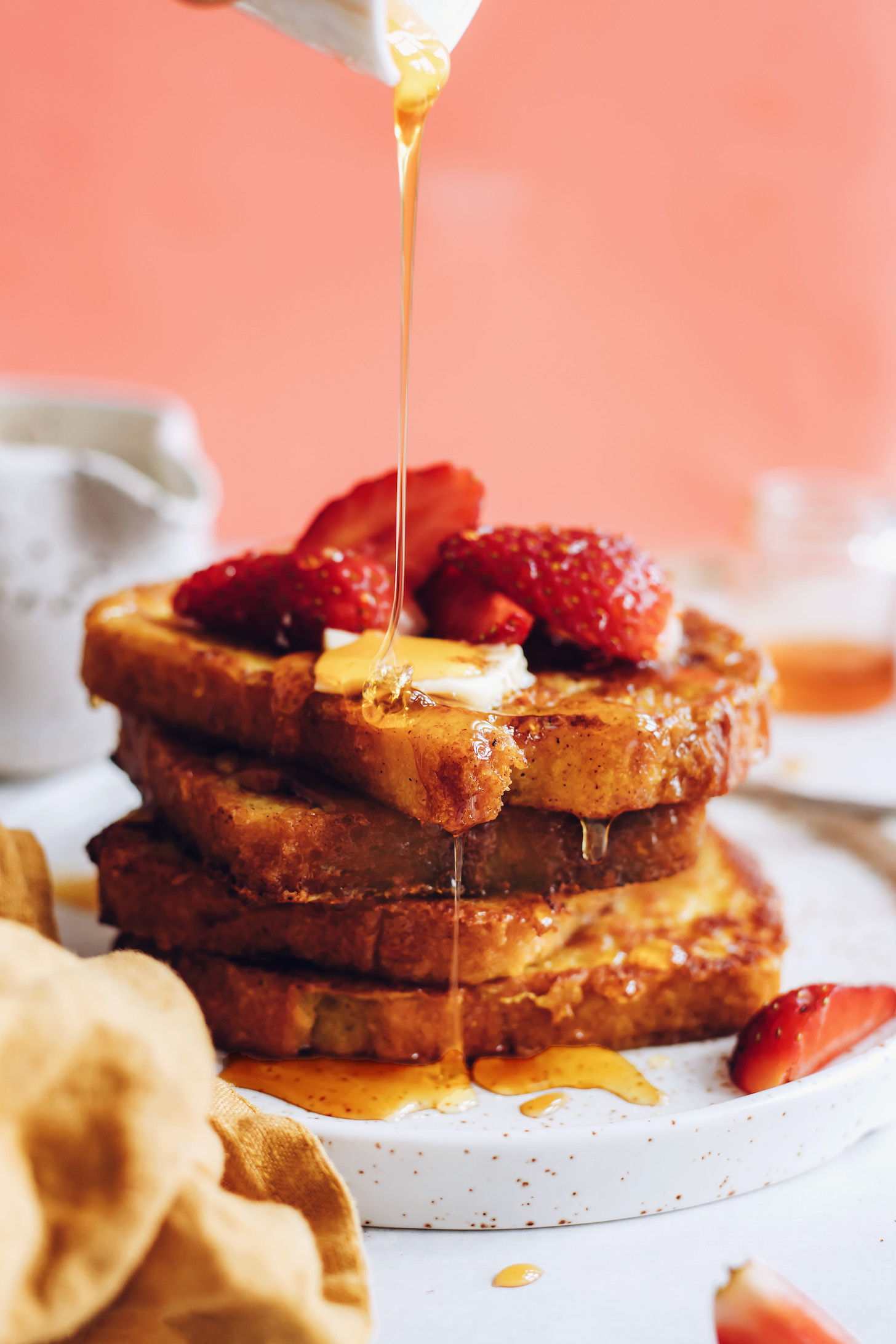
Unlock Perfect Vegan French Toast: Stale Bread & Flaxseed Secrets
Imagine waking up to the aroma of sweet, cinnamon-kissed French toast, perfectly crisp on the outside and wonderfully soft and custardy within. Now imagine all of that, completely plant-based. Welcome to the world of truly exceptional vegan French toast! Forget any skepticism you might have had about egg-free, dairy-free versions; this isn't just a good alternative, it's a phenomenal breakfast in its own right. We're about to dive deep into the secrets that transform simple ingredients into a brunch masterpiece, focusing on two unsung heroes: stale bread and the magic of flaxseed.
My own journey to perfect vegan French toast was paved with experimentation, but once I cracked the code, there was no looking back. It's the kind of recipe that makes even the most ardent traditionalists declare, "Wait, this is vegan? My father used to make this for me all the time!" – a sentiment that, for any cook, is pure music to the ears. This isn't just fast and easy; it's utterly mouthwatering, proving that a truly satisfying breakfast doesn't require animal products. With just a few everyday ingredients and a couple of clever tricks, your mornings are about to get a whole lot tastier.
The Magic Behind Perfect Vegan French Toast: Stale Bread & Flaxseed Explained
The quest for the ultimate vegan French toast often begins and ends with two pivotal ingredients that ensure the perfect texture and consistency. These aren't just substitutes; they are the architectural blueprints for a truly outstanding plant-based breakfast experience. Understanding their roles is key to unlocking French toast perfection.
The Humble Power of Stale Bread
The very name "French toast" originates from "pain perdu," or "lost bread," a testament to its resourceful origins as a way to revive stale loaves. This isn't just tradition; it's culinary genius. For any French toast recipe, vegan or not, stale bread is absolutely non-negotiable. Here's why:
- Optimal Absorption: Fresh bread, with its higher moisture content, tends to quickly become soggy when soaked in batter. Stale bread, being drier, acts like a sponge, eagerly soaking up the creamy flaxseed custard without dissolving into mush. This allows it to absorb maximum flavor and moisture from the batter, creating that desirable custardy interior.
- Structural Integrity: The dryness of stale bread also provides crucial structural integrity. It holds its shape during the soaking process and, more importantly, when it hits the hot pan. You get a cohesive slice of French toast, not a crumbly mess.
- Texture Contrast: This absorption, coupled with the bread's inherent sturdiness, allows the exterior to crisp up beautifully in the pan while the interior remains wonderfully soft and chewy. This contrast is fundamental to the classic French toast experience.
To achieve this, aim for bread that's at least one day old, ideally two. If you're in a pinch, you can lightly toast fresh bread in a low oven for 10-15 minutes to dry it out slightly.
Flaxseed: The Vegan Egg Alchemist
If stale bread provides the canvas, then flaxseed is the binder that creates the rich, custardy "egg" batter. Ground flaxseed, when mixed with water, forms a gelatinous, egg-like consistency known as a "flax egg." In vegan French toast, it does so much more:
- Emulsification and Binding: Flaxseed effectively binds the batter ingredients together, ensuring a cohesive mixture that clings to the bread. This prevents the batter from simply running off or soaking straight through, which can happen with watery, egg-free batters.
- Custardy Texture: The mucilage in ground flaxseed provides the essential thickness and viscosity that mimics the eggy richness of traditional French toast custard. It creates that desirable soft, almost pudding-like center without any eggs.
- Nutritional Boost: Beyond its functional properties, flaxseed also adds a healthy dose of omega-3 fatty acids, fiber, and lignans, making your breakfast not just delicious but also more nutritious.
The combination of dry, sturdy bread and a thick, flaxseed-based batter is truly where the magic happens, transforming simple ingredients into a breakfast that’s both comforting and gourmet.
Crafting Your Custard: Essential Ingredients for the Best Vegan French Toast Batter
While stale bread and flaxseed are the foundational pillars, the rest of your batter ingredients complete the symphony of flavors and textures. Building a rich, flavorful custard is surprisingly simple, often requiring just a handful of pantry staples. For an even deeper dive into minimalist yet incredibly tasty recipes, check out our guide on Fast & Easy Vegan French Toast: 5 Ingredients, Incredible Taste.
The Core Custard Components:
- Plant-Based Milk: This forms the liquid base of your custard. Unsweetened varieties like soy milk, almond milk, or oat milk work beautifully. Soy milk tends to be the richest and most neutral in flavor, closely mimicking dairy. Oat milk offers a lovely creaminess, while almond milk is a lighter option. Avoid highly flavored milks unless you specifically want that taste profile.
- Sweetener: Maple syrup is a classic choice, adding a beautiful depth of flavor beyond just sweetness. Agave nectar or even granulated sugar can also be used. Adjust the amount to your preference – remember you'll likely add more syrup when serving!
- Vanilla Extract: A splash of good quality vanilla extract is essential. It enhances the sweetness and adds a warm, inviting aroma that truly defines French toast. Don't skimp on this!
- Cinnamon: The quintessential spice for French toast. Ground cinnamon brings warmth and a comforting, aromatic quality. A pinch of nutmeg can also be a wonderful addition, offering a subtle hint of spicy complexity.
- A Pinch of Salt: While seemingly counterintuitive in a sweet dish, a tiny pinch of salt (just a quarter teaspoon, typically) balances the flavors, making the sweetness and spices pop without making the toast taste salty.
Pro Tips for Your Batter:
- Whisk Thoroughly: Ensure your ground flaxseed is fully incorporated into the liquid. Whisk vigorously or, for an ultra-smooth batter, consider blending all the liquid ingredients (plant milk, sweetener, vanilla, cinnamon, salt) together before whisking in the flaxseed. Let it sit for 5-10 minutes to allow the flaxseed to thicken the mixture into a true "custard."
- Taste and Adjust: Don't be afraid to taste your batter before soaking the bread. This is your chance to adjust the sweetness or spice levels to match your palate.
By focusing on these simple yet powerful ingredients, you're well on your way to a French toast batter that is rich, flavorful, and perfectly custardy.
Choosing Your Canvas: The Ultimate Guide to Vegan French Toast Bread
We've established the critical role of stale bread, but not all stale bread is created equal when it comes to crafting the perfect slice of vegan French toast. The right type of bread, combined with its dryness and thickness, is fundamental to achieving that coveted crispy exterior and tender, custardy interior. If you're aiming for the Best Vegan French Toast: Crispy, Custardy, Tastes Like the Real Thing, your bread choice is paramount.
Recommended Bread Choices:
- Sourdough Bread: A top-tier choice. Sourdough offers a fantastic chewiness and a slightly tangy flavor that beautifully complements the sweet custard. Its sturdy crumb holds up exceptionally well to soaking.
- French Bread or Baguette: These are classic choices for a reason. Their robust crust and airy but structured interior make them perfect for absorbing batter without falling apart. Slice them thick (at least 3/4 to 1 inch).
- Hearty Rustic Italian Bread: Similar to sourdough or French bread, a good rustic Italian loaf provides the necessary density and structure. Look for loaves with a good crust and a somewhat dense interior.
- Vegan Brioche: If you can find a vegan brioche (ensure it's not fresh!), it will lend a richer, more decadent flavor and a wonderfully soft texture.
The common thread among these recommendations is their ability to be sliced thickly and their inherent sturdiness when stale. Thick slices are crucial, as they provide enough interior structure to become custardy without dissolving.
Breads to Approach with Caution (or Avoid):
- Thin, Soft Sandwich Bread: While convenient, plain white sandwich bread is generally too soft and thin. It will quickly become oversaturated and fall apart, resulting in soggy, unappealing French toast.
- Fresh Bread (Any Type): As discussed, fresh bread, regardless of type, has too much moisture. It won't absorb the batter effectively and will likely result in a limp product.
- Whole Wheat Bread: Can be a decent option if it's a hearty, dense loaf that can be sliced thickly and is stale. However, thinner, softer whole wheat breads will face the same issues as sandwich bread. It also may not be as flavorful or yield the same classic texture as a white, rustic loaf.
Navigating Gluten-Free Bread for Vegan French Toast:
Making vegan French toast with gluten-free bread can be a bit trickier, as the lack of gluten can make the bread more prone to disintegration. However, it's certainly achievable with the right approach:
- Choose Wisely: Opt for a sturdy, dense gluten-free bread, such as a gluten-free sourdough or a rustic-style loaf. Avoid very soft or crumbly gluten-free breads.
- Slice Thick: Again, thickness is your friend here. Aim for slices that are at least one inch thick to give them the best chance of holding together.
- Don't Oversoak: Gluten-free breads may absorb liquid faster, so reduce soaking time slightly to prevent them from becoming too saturated.
By selecting your bread thoughtfully, you're setting the stage for a truly magnificent vegan French toast experience, ensuring that perfect balance of crispness and custardy goodness.
Flipping to Perfection: Tips for Cooking and Serving Your Vegan French Toast
You've mastered the bread and the batter; now it's time to bring it all together in the pan. The cooking process is where your vegan French toast transforms from soaked bread into a golden-brown, culinary delight. Proper technique ensures that crispy exterior and perfectly cooked interior.
Soaking Your Bread: The Perfect Balance
Once your batter is ready and has thickened (thanks, flaxseed!), it's time to soak your bread. This isn't a race, but it's also not a marathon:
- Don't Rush It: Allow each thick slice of bread to soak for about 30 seconds to 1 minute per side, depending on the bread's density and staleness. You want the bread to absorb a good amount of batter, but not to the point of becoming completely saturated and falling apart.
- Watch for Saturation: You'll see the bread visibly soften and swell slightly as it soaks. If it starts to feel mushy when gently lifted, it's over-soaked. The key is to get it thoroughly moistened without becoming limp.
Cooking for Golden Perfection:
- Preheat Your Pan: Heat a large non-stick skillet or griddle over medium-low heat. This lower temperature is crucial. High heat will burn the outside before the inside has a chance to cook through and become custardy.
- Grease Generously: Add a tablespoon or two of vegan butter or a neutral oil (like canola or coconut oil) to the hot pan. Ensure it's evenly coated.
- Cook Low and Slow: Place your soaked bread slices in the pan, ensuring they aren't overcrowded. Cook for 3-5 minutes per side, or until each side is beautifully golden brown and slightly crisp. The longer, gentler cook time allows the inside to firm up and become perfectly custardy, while the outside achieves that desirable crunch.
- Check for Doneness: The French toast should feel relatively firm to the touch when fully cooked, not jiggly.
- Cook in Batches: If you have a smaller pan, cook your French toast in batches to avoid overcrowding, which can lower the pan temperature and result in steamed, rather than crisped, toast. Keep finished pieces warm on a wire rack in a low oven (around 200°F / 95°C) while you cook the remaining slices.
Serving Suggestions to Elevate Your Brunch:
Once your beautiful vegan French toast is cooked, the fun really begins with toppings! The possibilities are endless, but here are some classic and creative ideas:
- Classic & Simple: A generous drizzle of pure maple syrup and a dusting of powdered sugar. You can't go wrong!
- Fresh Fruit Fiesta: Piles of fresh berries (strawberries, blueberries, raspberries), sliced bananas, or even caramelized apples add natural sweetness, color, and a burst of freshness.
- Creamy Indulgence: A dollop of vegan whipped cream, a scoop of dairy-free ice cream, or a drizzle of vegan chocolate sauce can turn your breakfast into a dessert.
- Nutty Goodness: Spread with your favorite nut butter (peanut, almond, cashew) for added protein and richness.
- Spice It Up: A sprinkle of extra cinnamon, a dash of cardamom, or even a tiny pinch of chili flakes for an adventurous kick.
With these cooking and serving tips, you're ready to present a plate of vegan French toast that will impress even the most discerning palates, proving that plant-based breakfasts are anything but boring.
Conclusion: Your New Favorite Vegan French Toast Awaits
There you have it – the comprehensive guide to unlocking perfect vegan French toast. By understanding the critical roles of stale bread and flaxseed, meticulously crafting your custard, thoughtfully selecting your bread, and mastering the gentle art of cooking, you can create a breakfast experience that rivals, and often surpasses, its traditional counterpart. This recipe isn't just fast and easy; it's a testament to how incredible plant-based cuisine can be, delivering on taste, texture, and pure, unadulterated comfort.
So, gather your ingredients, embrace the "lost bread," and let the magic of flaxseed transform your morning. Whether you're a seasoned vegan or simply exploring new culinary horizons, this vegan French toast promises a truly satisfying start to your day. Get ready to impress yourself and everyone at your breakfast table – your perfect plant-based brunch is just a flip away!
